An Introduction to Traditional Thai Massage in Jacksonville
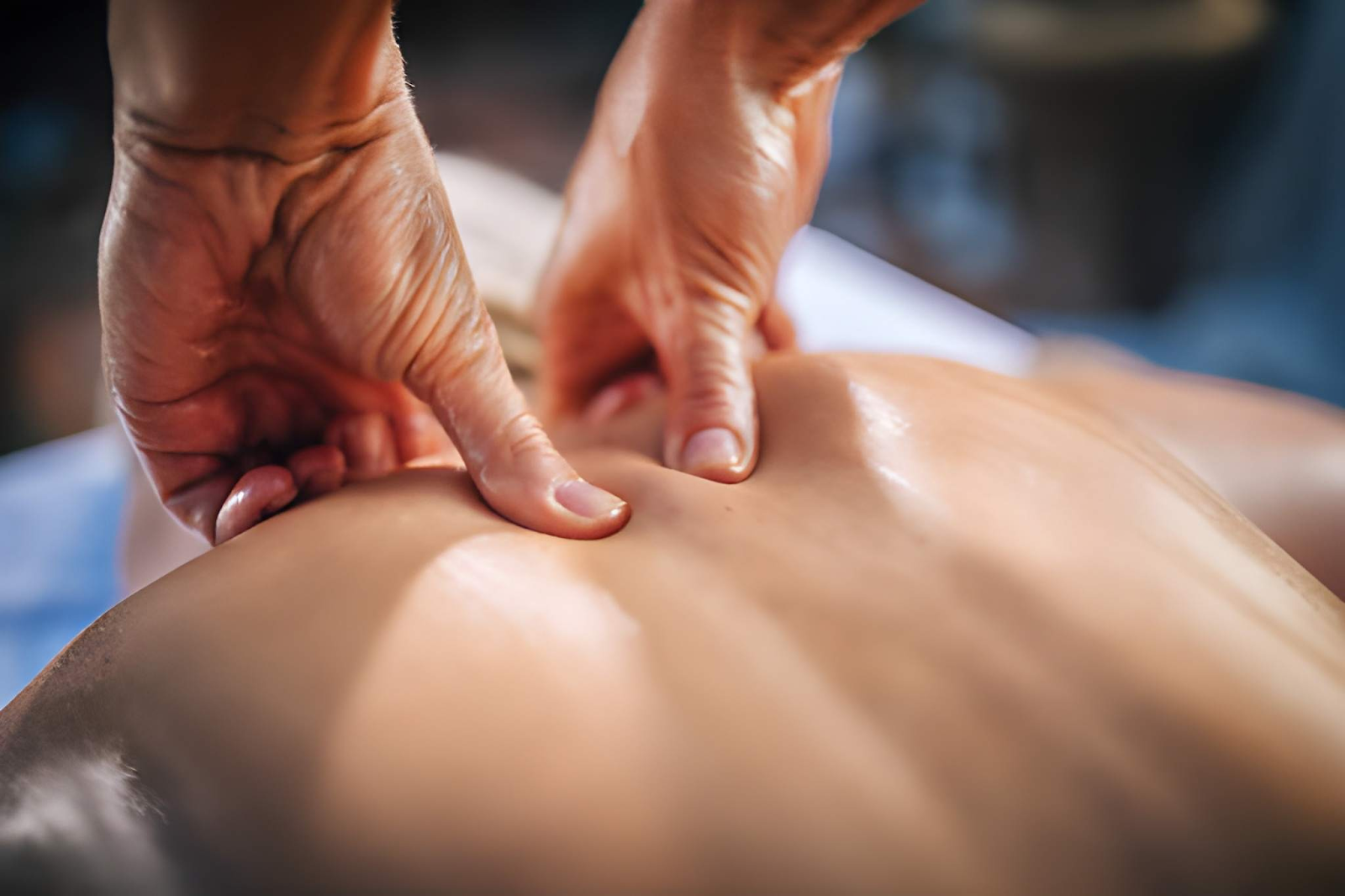
Thai massage Jacksonville NC, offers a unique blend of stretching, compression and mindful movement. Many people look for this traditional practice because it supports flexibility, balance and deep relaxation. If you want to understand what sets this approach apart, this guide will help you explore the roots, benefits and full experience of Thai massage.
At New Bridge Holistic Centre, clients discover an authentic and grounded approach to Traditional Thai Massage. The centre focuses on comfort, wellness and guided movement that supports the body’s natural alignment. This creates a calming experience that blends stretching, pressure techniques and breath awareness to help the body feel open and refreshed.
What is Traditional Thai Massage
Traditional Thai massage in Jacksonville is known as a full body healing art that blends assisted stretching, breath awareness and pressure techniques. Instead of lying on a massage table with oils, clients rest comfortably on a padded mat while fully clothed. This style encourages natural movement and continuous body alignment, allowing the session to feel more interactive and grounding. It is designed to support both physical balance and mental clarity.
A healing practice with deep roots
This massage form comes from ancient healing traditions and draws influence from early Thai medicine and cultural practices. These teachings view the body as a system of energy channels that work together to support wellness and harmony. Over time, the practice evolved into a structured method that combines stretching, rhythmic pressure and mindful touch. It is still recognised today for its holistic approach to health and relaxation.
Key characteristics and session posture
Thai massage is always mat-based, allowing the therapist to use body leverage safely and effectively. The client stays fully clothed, which supports free movement during stretches and maintains comfort throughout the session. The therapist guides steady pressure, assisted stretches and gentle rocking motions that help calm the muscles and release tension. Because the approach relies on body weight rather than force, the movements feel controlled, smooth and safe for people of all flexibility levels. This creates a balanced and supportive experience for the entire body.
The Art of Passive Yoga and How Thai Massage Works
Thai massage is often called passive yoga because the therapist guides your body through stretches while you relax and breathe naturally. The technique blends movement, pressure and mindful pacing to support joint mobility and full body alignment. This creates a calming experience that feels both grounding and energising.
Deep stretching with mindful intention
The stretches focus on major muscle groups such as the hips, back, legs and shoulders. They help the body lengthen gradually without forcing the movement. This controlled approach supports flexibility, reduces tension and improves overall comfort. Many clients also feel more open and balanced after repeated sessions.
Joint mobilisation and steady compressions
Rhythmic compressions encourage healthy circulation and muscle relaxation. Joint mobilisation promotes easier movement and helps the body respond naturally to guided stretching. The therapist works at a slow, intuitive pace that matches the client’s breathing pattern. This steady rhythm helps the body release tightness without strain.
Understanding Energetic Principles
Thai massage works with the concept of Sen lines, which represent natural pathways that support the flow of energy throughout the body. These pathways are central to traditional Thai healing and guide the therapist’s pressure and movements.
Balancing the body’s natural energy
Gentle pressure, stretching, and mindful breathing support a smooth flow of energy. When these pathways feel open, clients often notice improved clarity, reduced stress and an overall sense of calm. This balance helps the mind and body function in harmony throughout the day.
The Top Benefits of Thai Massage
Many people explore Thai yoga massage for overall wellness because it supports the body through movement, pressure and mindful stretching. The technique works with both the muscles and the body's natural energy flow, which creates a balanced and restorative experience.
Improved flexibility and movement
The stretching encourages a greater range of motion and helps the joints feel more open. Over time, the body moves with more ease during daily activities or exercise. Regular sessions can also reduce stiffness that builds up from sitting or repetitive tasks.
Reduced tension and muscle comfort
Pressure techniques soothe tight muscles and help release knots that limit movement. This can support relief in areas such as the back, legs and shoulders. Many clients notice that consistent sessions help maintain long-term muscle comfort.
A natural boost in energy and focus
The opening of energy pathways helps clients feel refreshed from within. Some report an increase in mental clarity and improved concentration throughout the day. This balanced energy can support both work and physical activity.
Stress reduction and relaxation
Slow movements, guided breathing and rhythmic flow help calm the nervous system. This creates a grounding experience that eases stress and tension. The body often enters a deep state of rest, which supports emotional balance.
Support for circulation
The combination of compressions and stretches helps encourage steady blood flow. This gives the body a sense of balance and lightness. Improved circulation may also support faster muscle recovery and overall vitality.
What to Expect During Your First Thai Massage Session
If you are new to Thai massage, understanding what happens during a session can help you feel prepared and at ease. A Thai massage uses movement, stretching and steady pressure in a way that feels natural and supportive. Each part of the session has a clear purpose and is tailored to your comfort level.
What to Wear to a Traditional Thai Massage
Clients should wear soft, loose and flexible clothing such as yoga pants, breathable joggers or a simple t-shirt. The goal is to allow your hips, shoulders and legs to move without restriction during the stretches. Since Thai massage is performed fully clothed, comfortable attire also helps you stay relaxed and grounded throughout the session. Shoes and accessories are removed, and the therapist will ensure the mat area is clean and prepared before beginning.
The Flow of the Session
The session usually begins with a brief conversation so the therapist can understand your needs, areas of tension and preferred pressure level. This helps create a customised experience.
Once you are settled on the mat, the therapist starts with gentle palm pressure along your legs or back. The rhythm is slow and steady. This helps warm the muscles before deeper work begins. As the session continues, the therapist guides your body into stretches that feel natural and controlled.
After the Session
Clients often rise from the mat feeling light, open and refreshed. The body may feel both relaxed and energised at the same time. Some notice reduced stiffness in the back, hips or legs, while others experience a clearer sense of focus. It is also common to feel improved mobility in the joints and an easier posture.
Frequently Asked Questions
How is Thai massage different from Swedish massage?
Swedish massage uses oil, long strokes and table-based techniques that focus on muscle relaxation. Thai massage is performed fully clothed on a mat and involves stretching, compressions and guided movement. It feels more active and focuses on mobility and energy flow.
Is Thai massage painful?
Thai massage should not feel painful when performed correctly. The therapist adjusts pressure, stretch depth and pace to match your comfort level. You can always request lighter or deeper work during the session.
Is Thai massage good for athletes?
Yes, it is helpful for athletes who want better flexibility, hip mobility and muscle recovery. The assisted stretching supports movement patterns, and the compressions help reduce tightness after workouts or training sessions.
Can Thai massage help with back tension?
Thai massage often helps ease lower back discomfort through stretching, joint mobilisation and pressure along the hips and spine. These techniques support muscle release, which may improve posture and daily comfort.
How often should you book a Thai massage?
Your ideal frequency depends on your body and goals. Some clients schedule weekly sessions for flexibility and stress relief, while others book monthly visits for maintenance and long-term balance.
Experience Authentic Thai Massage in Jacksonville
Trying an authentic Thai massage in Jacksonville can introduce you to a unique wellness practice. The rhythm, movement and mindful approach bring balance to both body and mind. If you want a natural way to improve flexibility, comfort and energy, this practice can be an ideal option.
Conclusion
Traditional Thai Massage is a full body practice that blends mindful pressure, assisted stretching and energy awareness. It can support relaxation, flexibility and clarity in a natural and balanced way. If you are searching for a complete experience that nurtures both mind and body,exploring thai massage jacksonville nc can be a meaningful step. The approach helps the body move with ease and invites a deeper sense of wellness.