A Guide to Neuromuscular Massage in Jacksonville for Chronic Pain
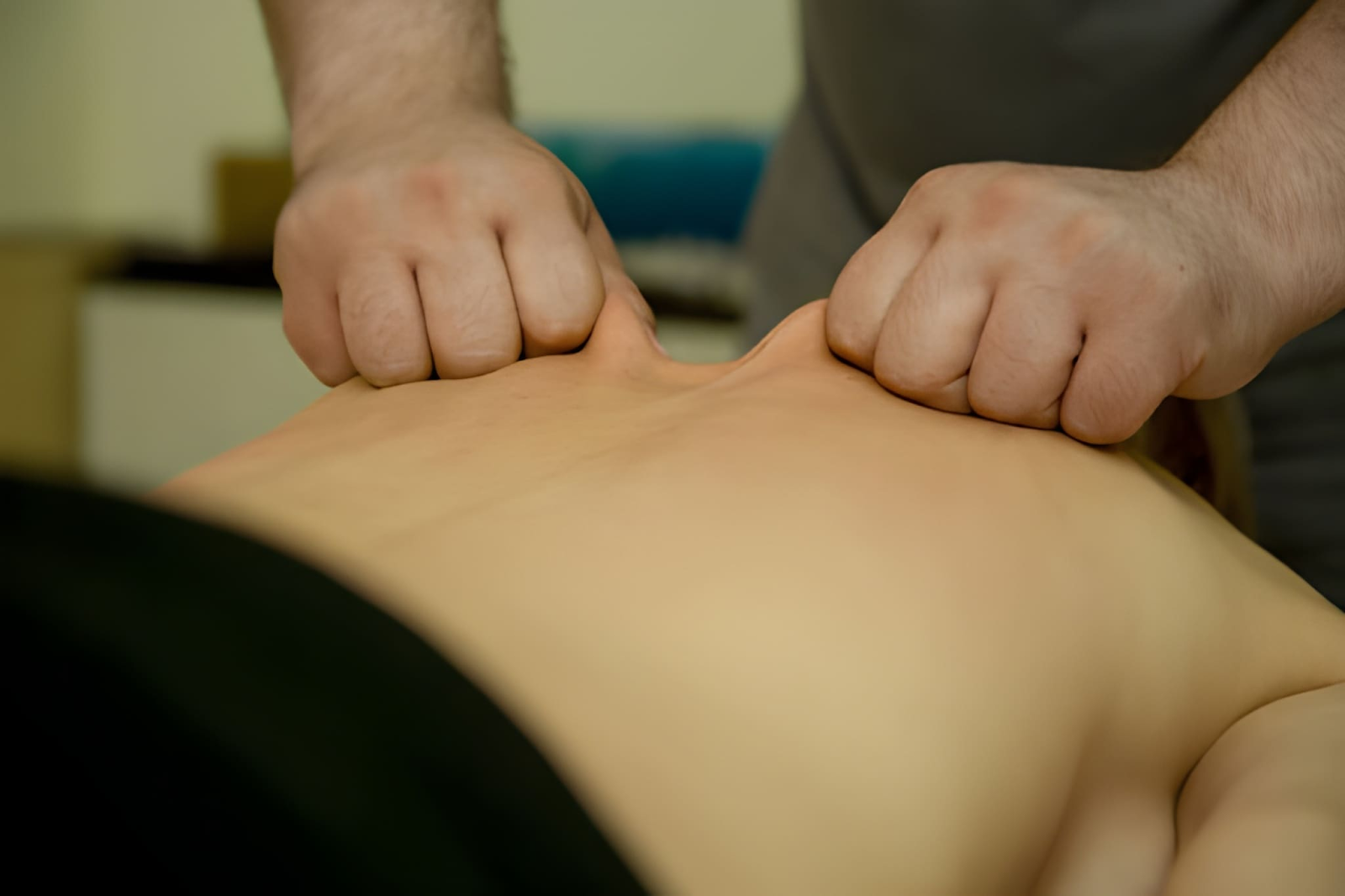
Neuromuscular massage Jacksonville, NC offers a focused and effective approach to chronic muscle pain, nerve tension, and long-standing discomfort. Many people choose this style of therapy because it targets the true source of pain rather than only relieving surface tension. If you have muscle knots that return, posture issues, or referred pain patterns, this guide explains how Neuromuscular Massage Therapy can support long-term improvement.
At New Bridge Holistic Center, clients receive detailed assessments and precise techniques that help identify the real cause of muscle tension. This therapy blends science-based pressure methods with an understanding of the nervous system, making it helpful for those who want more than a general relaxation massage.
What is Neuromuscular Massage Therapy (NMT)
Neuromuscular Massage Therapy is a specialized method that focuses on the connection between muscles and the nervous system. The goal is to locate areas of tightness, known as trigger points, and apply targeted pressure to release them. This approach helps reduce chronic tension by addressing the deeper patterns that keep muscles locked and sensitive.
A Specialized Approach to Pain Relief
NMT is not a general relaxation style. It uses detailed assessments, slow pressure application, and knowledge of muscle anatomy to find deep knots that cause pain. The therapist works with the tissue layer by layer, allowing the muscles to release without strain. This method supports long-term relief because it targets the underlying cause instead of surface discomfort.
How it Differs from Deep Tissue Massage
Neuromuscular massage uses slower, more precise pressure than a deep tissue massage. The goal is to address the exact source of discomfort, not the entire muscle group. Deep tissue massage focuses on overall tension, while neuromuscular therapy focuses on nerve compression, trigger points, and movement patterns. As a result, NMT often offers a more corrective and therapeutic outcome for chronic pain.
The Science of Pain Release: How NMT Works
Neuromuscular therapy is built on the idea that muscles respond to both physical and neurological stress. When pressure, posture habits, or emotional stress overload a muscle, it may form a trigger point. NMT helps identify these stress patterns so the therapist can work on the precise areas that maintain the discomfort.
Understanding Trigger Points and Why They Hurt
Trigger points are small, contracted areas within a muscle. When touched, they feel tender and can produce sharp or aching pain. These points can cause discomfort at the site or send pain to another area, which is known as referred pain. Many chronic pain conditions start here, which is why accurate trigger point work is so important.
Addressing the Link Between the Nervous System and Muscles
NMT focuses on the relationship between nerve pathways and muscle fibers. When the nervous system becomes stressed, muscles tighten as a protective response. By releasing tension in these areas, the therapy helps calm the nervous system and bring balance back to the body. This approach also improves the way muscles respond during movement and daily activity.
Interrupting the Stress-Tension-Pain Cycle
Chronic pain often forms a cycle. Stress causes tension, tension leads to discomfort, and discomfort increases stress. Neuromuscular massage breaks this loop by reducing muscle tightness and promoting calm in the nervous system. With consistent sessions, the body learns to reset these patterns and maintain a healthier baseline of comfort.
What Are Trigger Points
Trigger points are small, hyperirritable spots within a muscle that create pain and restrict movement. They often develop from overuse, poor posture, or trained muscle patterns.
Defining Hyperirritable Spots in Muscle Tissue
A trigger point feels like a small knot or firm band when pressed. It can limit strength and cause discomfort even during simple tasks. These points can also cause the surrounding muscles to work harder, creating more tension over time.
Understanding Local vs Referred Pain Patterns
Some trigger points create local soreness, while others send pain to distant areas. For example, a trigger point in the shoulder can create discomfort in the arm or hand. Recognizing these patterns helps the therapist find the real source of the pain.
The Top Benefits of Neuromuscular Massage
Neuromuscular massage offers valuable benefits for people with chronic tension or lingering pain. It combines precise pressure with an understanding of muscle function and nerve pathways.
Targeted Relief for Chronic, Stubborn Knots
NMT aims at knots that resist normal massage. This targeted approach allows the therapist to reach the exact muscle fibers causing discomfort. Over time, this can help reduce long-standing tightness.
Improved Posture and Body Mechanics
Many chronic pain issues come from posture habits. Neuromuscular therapy helps correct muscle imbalances that pull the body out of alignment. Better posture can reduce daily discomfort and support healthy movement.
Increased Range of Motion
By releasing tight fibers and trigger points, the therapy improves how joints move. This makes daily activities easier and supports comfortable exercise.
Reduction in Headaches Caused by Muscle Tension
Trigger points in the neck, shoulders, or jaw can cause tension headaches. Neuromuscular massage gently reduces these points and supports natural relaxation in the upper body.
Long-Term Pain Management
NMT supports long-term comfort by addressing root causes such as nerve compression, muscle imbalance, and repeated stress. With sessions done regularly, many clients experience more stable and lasting relief.
What to Expect During Your NMT Session at New Bridge
Your neuromuscular massage session includes assessment, hands-on work and simple post-session guidance.
The Assessment: Locating Your Specific Trigger Points
The therapist begins by asking about your pain areas and movement patterns. They use palpation and gentle testing to find active trigger points and areas of restriction. This helps create a personalized plan.
The Technique: Applying Sustained, Precise Pressure
During the session, the therapist applies slow, steady pressure directly to the trigger point. The pressure is controlled and adjusted as your muscle begins to soften. Stretching, gentle friction, and specific hand techniques support the release process.
After the Session: Post Care for Lasting Relief
After your session, you may feel relaxed and more comfortable. The therapist may suggest hydration, light stretching, or heat to support continued improvement. Many clients feel better mobility and less tension for the rest of the day.
Frequently Asked Questions
Is Neuromuscular Massage painful?
NMT can feel tender when working on active trigger points, but it should never feel overwhelming. Your therapist adjusts pressure based on your comfort level to ensure a safe and controlled experience.
How many sessions will I need?
The number of sessions depends on your goals and how long the pain has been present. Some people feel relief after a few visits, while others benefit from regular appointments to manage chronic patterns.
Can NMT help with my sciatica-like pain?
Yes. Trigger points in the lower back or hips can mimic sciatica. Neuromuscular therapy helps release these points and reduce compression, which may ease sciatic-type discomfort.
Find a Science-Backed Solution to Your Pain in Jacksonville
Neuromuscular massage Jacksonville NC provides a detailed and targeted approach to chronic pain. By addressing trigger points, nerve pathways and muscle patterns, this therapy supports long term comfort and better movement. If you want a method that goes deeper than general massage, NMT can offer meaningful, lasting results. To schedule your session or ask questions about how NMT can help you.